
Fun Run Budget Template: How Much Does a Small Race Cost in 2026?
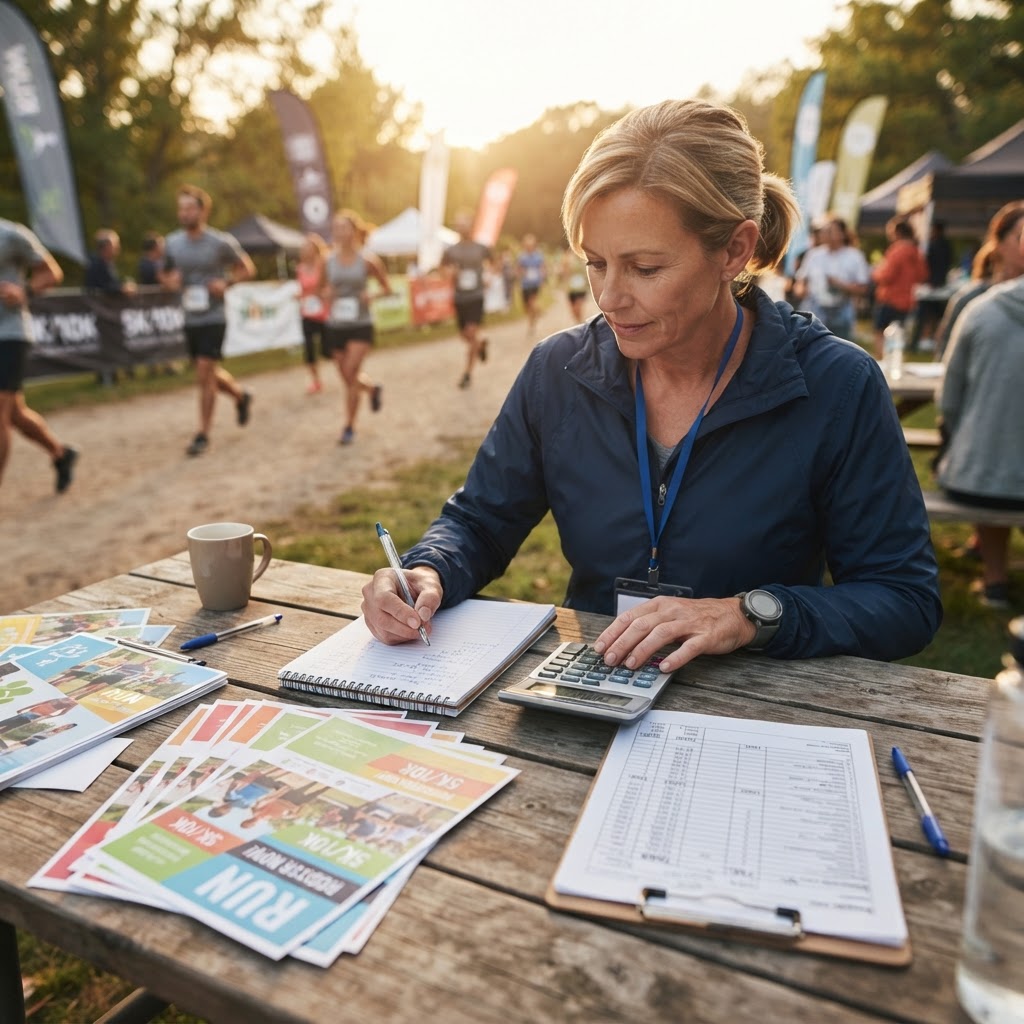
Planning a fun run without a clear budget is the fastest way to end up short on cash—or worse, owing money after the event. Whether you're a PTO raising funds for a school playground or a nonprofit hosting an awareness walk, knowing your real costs before registration opens changes everything.
Quick Answer: A small fun run or 5K for 100–300 participants typically costs between $1,500 and $6,000 to produce, depending on your venue, timing, and whether you use volunteer or paid staff. With sponsorships and registration fees, most community races break even or turn a profit—but only if you budget intentionally from day one.
Get the Free 5K Planning Checklist — map every cost category before you spend a dollar.
Why Most Fun Run Budgets Go Wrong
First-time organizers almost always underestimate two things: permit and insurance costs, and the per-participant costs that scale with your headcount. They budget for a t-shirt, a finish line banner, and maybe a sound system—then get surprised by timing fees, road closure permits, and porta-potty rentals two weeks out.
A solid budget template forces you to think in categories, not just individual line items. The goal isn't perfection on your first draft; it's making sure no major cost category is invisible when you're projecting revenue.
The 8 Core Budget Categories for a Fun Run
Break every fun run budget into these eight buckets. Estimate each one before you set your registration price or approach sponsors.
1. Permits and Insurance
This is the most underestimated category for new organizers. Depending on your city or county:
- Special event permit: $50–$400
- Road or park use permit: $0 (many parks are free for nonprofits) to $500
- Event liability insurance: $150–$500 for a one-day policy covering 500 or fewer participants
- Police or traffic control: $200–$800 depending on your course and local requirements
Realistic range for permits + insurance: $400–$1,500
Call your city's special events office and your county parks department at least 60–90 days out. Some jurisdictions are booked solid by spring, especially for fall race dates.
2. Timing and Registration
If you're running a chip-timed 5K:
- Chip timing service: $300–$800 for events under 300 participants (some charge per runner, typically $3–$6/head)
- Online registration platform fees: Most platforms charge 3–8% of registration revenue, or a flat per-registrant fee around $1–$2
For a bib-number-only fun run (no chip timing), costs drop significantly — printed bibs run about $0.10–$0.25 each.
Realistic range: $150–$900
3. T-Shirts and Swag
This is often the largest single line item and the easiest place to overspend.
- Custom event t-shirts (screen printed): $5–$12 per shirt depending on quantity and design complexity
- For 200 participants: expect $1,000–$2,400 just for shirts
- Finisher medals (optional): $2.50–$6 each
- Goodie bags or sponsor inserts: $0.50–$2 per bag if sponsors provide items
Pro tip: Offer t-shirts as an add-on during registration rather than including them in base price. This controls your inventory costs and can add $8–$15 per participant in revenue.
Realistic range: $500–$2,500 (if shirts are included for all)
4. Course Setup and Equipment
- Cones, flags, and course markers: $50–$200 (many can be borrowed from schools or parks departments)
- Finish line arch (rental): $150–$400
- Signage and directional signs: $50–$200
- Barricades (if needed): $100–$500 rental
- PA system or bullhorn: $0 (borrowed) to $150 rental
Realistic range: $350–$1,500
5. Volunteer Support and Staffing
Most community fun runs run on volunteer power, which keeps this category low. Budget for:
- Volunteer t-shirts or vests: $4–$8 each for 15–30 volunteers
- Volunteer meals/snacks: $3–$8 per volunteer
- Paid course marshal or EMT (if required): $100–$400
- Race director stipend (if applicable): varies widely
Realistic range: $200–$700
6. Post-Race Refreshments and Water Stations
- Water cups and jugs for course stations: $50–$150
- Post-race food (bananas, bagels, snacks): $0.75–$2 per participant
- Post-race beverages: $0.50–$1.50 per participant
For 200 runners, budget $300–$700 for all hydration and food. Grocery store sponsors or local bakeries often donate this category entirely in exchange for a banner and social media mention.
Realistic range: $100–$700 (often offset by donations)
7. Marketing and Promotion
For a local community event, keep this lean:
- Printed flyers: $30–$100
- Social media paid ads: $50–$200 targeted to your zip code
- Email platform (if not free tier): $0–$30/month
- Event listing fees: most local platforms are free
Realistic range: $80–$350
8. Miscellaneous and Contingency
Always add a 10–15% contingency line to your total. Real events always have last-minute expenses: extra ice, printer ink, zip ties, an extra extension cord, coffee for your setup crew at 6 a.m.
Sample Fun Run Budget: 200-Participant School 5K
Here's how a realistic budget looks assembled for a mid-size school or nonprofit event:
- Permits and insurance: $600
- Timing and registration platform: $450
- T-shirts (200 @ $8): $1,600
- Course setup and equipment: $500
- Volunteers (shirts + food, 20 volunteers): $250
- Water stations and post-race food: $400
- Marketing and promotion: $150
- Contingency (10%): $395
Estimated total expenses: ~$4,345
With 200 participants at a $30 registration fee, gross revenue is $6,000 before sponsorships. Net surplus: approximately $1,655 before sponsor income. Add two local business sponsors at $500 each and you're looking at a net of $2,655 going to your cause.
How to Build Your Own Fun Run Budget Template
Follow these steps in order — don't skip to registration pricing until you've completed steps 1–4.
- List every cost category using the eight buckets above as your starting framework.
- Get three real quotes for your biggest line items: timing, t-shirts, and insurance. Don't use guesses for these.
- Identify which costs are fixed (insurance, permits, equipment rental) versus variable (shirts, food, medals scale with headcount).
- Set a break-even participant count. Divide your fixed costs by your planned registration fee to find your floor. If permits + insurance + equipment = $1,500 and you charge $25 per person, you need 60 registrants just to cover fixed costs.
- Add your variable costs at your expected participant count to find total expenses.
- Set registration price based on total cost per participant plus your fundraising margin.
- Identify two to three sponsor categories (Title, Supporting, In-Kind) that can offset your biggest line items.
- Build a 10% contingency into your total before you finalize anything.
Setting Registration Fees That Actually Work
For community fun runs and 5Ks in 2026, realistic registration benchmarks:
- Untimed fun run, no shirt included: $15–$22
- Untimed fun run with shirt: $25–$35
- Chip-timed 5K with shirt: $30–$45
- Early bird pricing (4+ weeks out): subtract $5
- Day-of pricing: add $5–$10
Early bird tiers do two things: they lock in revenue before you spend money, and they create urgency that drives registrations in waves rather than a slow trickle.
Sponsorship: The Budget Multiplier
Sponsors don't just add to your bottom line — they reduce risk. A $500 title sponsor can cover your entire permit and insurance cost. Structure your sponsorship tiers around your real budget line items:
- Title Sponsor ($500–$1,500): Name on race bib, banner at start/finish, social media recognition
- Water Station Sponsor ($250–$500): Sign at hydration station, mentions in pre-race email
- In-Kind Sponsor: Donates food, water, printing, or volunteer meals in exchange for recognition
Approach five to eight local businesses four to six months before race day. Most will say no, but two confirmed sponsors can cover 20–30% of your total budget.
Race Director Toolkit: Built for Budgets Like This
Once you have your budget categories mapped, the next challenge is keeping everything organized as your event grows closer. Race Director Toolkit includes a step-by-step race planner built specifically for first-time organizers managing budgets, sponsors, volunteers, and logistics without a professional event staff.
The $147 Race Planner walks you through every planning phase with structured checklists, vendor tracking, and sponsor management built in. The $247 Planner + AI Assistant adds an AI layer that answers your specific planning questions as they come up — like how to structure your sponsorship tiers or what your permit timeline should look like for your city.
Both options are built for the exact situations described in this article: school PTOs, nonprofit boards, booster clubs, and volunteer directors who are running a real event without a professional event management background.
Before You Finalize Anything
Get your free planning foundation in place first. The Free 5K Planning Checklist covers every major category — permits, volunteers, course setup, marketing, and race-day ops — so nothing gets missed when you're deep in logistics.
Your budget is only useful if the rest of your plan supports it. A complete checklist prevents the last-minute surprises that blow budgets wide open.
Download the Free 5K Planning Checklist → No cost. No signup wall. Just the practical list every first-time race director needs.
Build My Race Plan → — $147 Race Planner or $247 Planner + AI Assistant.
Frequently Asked Questions
Free checklist for first-time race directors
If you are organizing your first 5K or fun run, start with the free 5K Planning Checklist. Spot the gaps that create stress later: budget surprises, missing volunteers, sponsor deadlines, shirt timing, and race-day communication.
Build the full race plan
Race Director Toolkit turns the checklist into a working plan — budget calculator, sponsor tracker, volunteer planner, vendor coordination, marketing calendar, and race-day command center.
- Race Planner — $147 one-time
- Planner + AI Assistant — $247 one-time
- 10 guided planning modules
- Budget & break-even planner
- Sponsor tracker, volunteer planner, vendor tracker